Read more about the article Understanding the Differences Between Scalping and Swing Trading
Understanding the Differences Between Scalping and Swing Trading #TSM #tradestockmrkts #tradestockmarkets Trade Stock Markets #amirshayan

Understanding the Differences Between Scalping and Swing Trading

Scalping and swing trading are two popular trading strategies used by traders to profit from the financial markets. While both methods have their unique advantages and drawbacks, they differ in terms of timeframe, risk and reward, psychology, and techniques used. In this article, we will delve deeper into the differences between scalping and swing trading, helping you decide which trading style is best suited to your personality, preferences, and financial goals.

Continue ReadingUnderstanding the Differences Between Scalping and Swing Trading
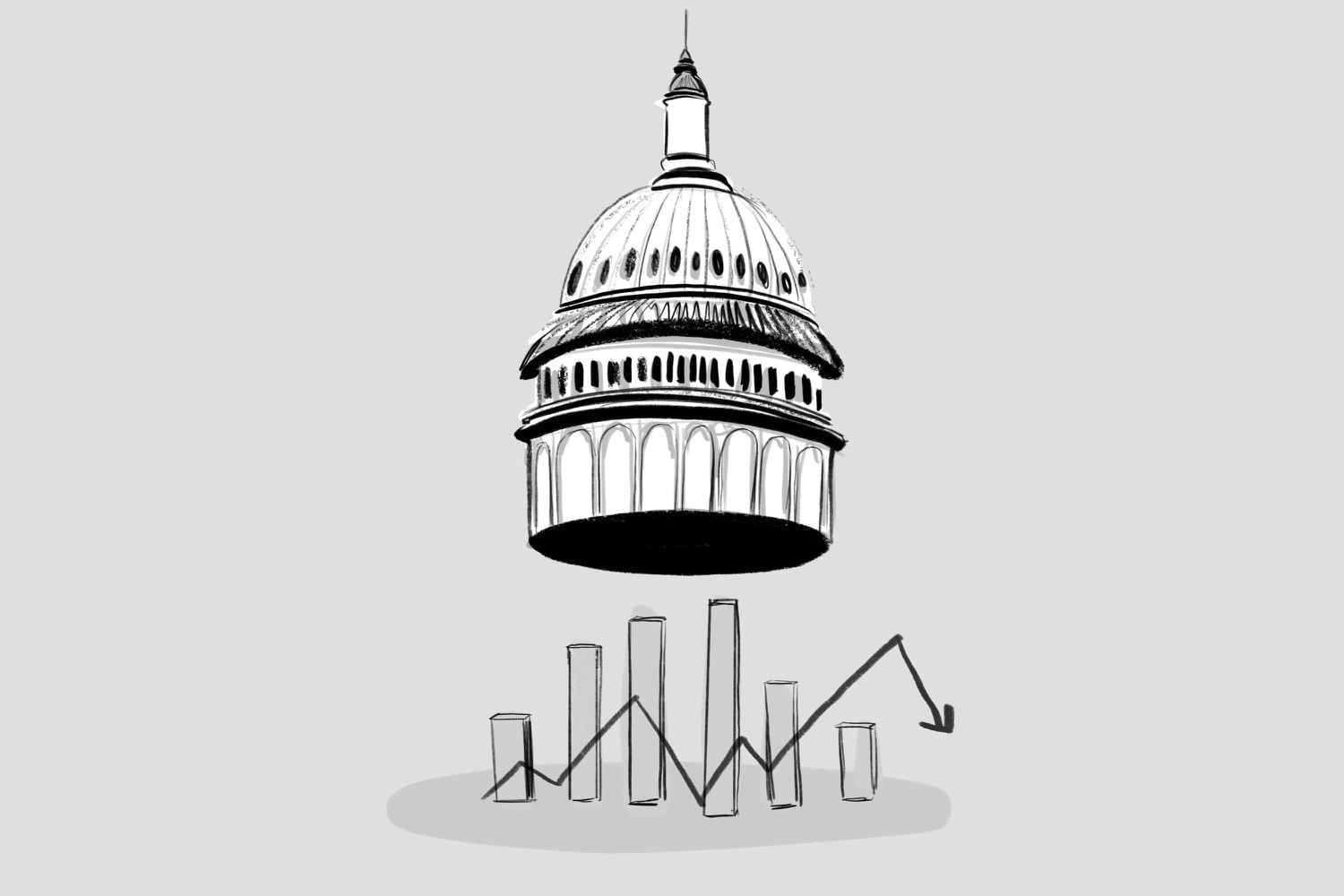
Read more about the article The Impact of Government Policies on the Stock Market
The Impact of Government Policies on the Stock Market #TSM #tradestockmrkts #tradestockmarkets Trade Stock Markets #amirshayan

The Impact of Government Policies on the Stock Market

The stock market is an important economic indicator that is affected by a variety of factors, including government policies. Fiscal policies, such as government spending and taxation, and monetary policies, such as interest rates and the money supply, can have a significant impact on the stock market. Central bank policies, regulations, and other government interventions can also affect the stock market in different ways.Understanding the relationship between government policies and the stock market is essential for investors and traders who want to make informed decisions. In this article, we will explore the impact of government policies on the stock market, including the positive and negative effects.

Continue ReadingThe Impact of Government Policies on the Stock Market
Read more about the article The Risks and Benefits of Trading Derivatives
The Risks and Benefits of Trading Derivatives

The Risks and Benefits of Trading Derivatives

Derivatives are financial instruments that derive their value from underlying assets, such as stocks, bonds, commodities, or currencies. Trading in derivatives can be very lucrative, but it also comes with its own set of risks. Understanding these risks and benefits is essential before deciding to trade derivatives.One of the key benefits of trading derivatives is that they offer traders a way to gain exposure to the underlying asset without actually owning it. This means that traders can take advantage of price movements in the underlying asset without having to commit a large amount of capital to purchasing the asset itself. Additionally, derivatives can be used to hedge against potential losses in other investments, providing a form of risk management.However, there are also significant risks associated with trading derivatives. Because derivatives are based on the value of an underlying asset, their value can be highly volatile and subject to sudden and extreme price swings. This can result in significant losses, particularly if a trader uses leverage to amplify their position.Another risk of trading derivatives is that they are often complex financial instruments that can be difficult to understand. Even experienced traders may struggle to fully grasp the complexities of certain types of derivatives, which can increase the likelihood of making costly mistakes.In addition, the derivatives market can be less transparent and less regulated than other financial markets, such as stocks and bonds. This can make it easier for traders to engage in insider trading or other forms of market manipulation, which can have serious consequences for both individual traders and the broader financial system.Despite these risks, trading derivatives can be a lucrative and rewarding endeavor for those who are willing to put in the time and effort to fully understand the market and the instruments they are trading. By carefully managing risk and using proper risk management strategies, traders can minimize their exposure to potential losses and maximize their chances of success in the derivatives market.

Continue ReadingThe Risks and Benefits of Trading Derivatives
Read more about the article The Impact of Inflation on the Stock Market
The Impact of Inflation on the Stock Market

The Impact of Inflation on the Stock Market

Inflation is an important economic concept that affects not only the prices of goods and services but also the financial markets. Inflation is defined as the rate at which the general level of prices for goods and services is rising, and it is measured by the Consumer Price Index (CPI). When inflation is high, it can have a significant impact on the stock market, and investors need to understand the relationship between inflation and the stock market to make informed investment decisions.One of the main impacts of inflation on the stock market is that it reduces the purchasing power of investors. Inflation erodes the value of money over time, which means that the same amount of money can buy fewer goods and services. This can lead to a decrease in consumer spending, which can negatively impact companies that rely on consumer spending for revenue.Inflation also affects interest rates, which in turn can impact the stock market. When inflation is high, central banks often raise interest rates to reduce the amount of money in circulation and bring inflation under control. Higher interest rates can increase the cost of borrowing for companies, which can reduce their profitability and lead to lower stock prices.Another way that inflation can impact the stock market is through its effect on earnings. Inflation can increase the cost of production for companies, which can lead to lower profit margins and lower earnings. This can lead to a decrease in stock prices as investors become less optimistic about the company's future profitability.On the other hand, some sectors of the stock market can benefit from inflation. For example, companies that produce goods and services that are in high demand during periods of inflation, such as commodity producers, can see their stock prices rise. Additionally, companies with significant pricing power, such as those with strong brand names, can increase their prices to offset the impact of inflation.In summary, inflation can have a significant impact on the stock market, and investors need to understand its effects to make informed investment decisions. While high inflation can lead to a decrease in consumer spending and lower stock prices, some sectors of the stock market can benefit from inflation. It's important to stay informed about economic indicators such as inflation and interest rates to navigate the stock market successfully.

Continue ReadingThe Impact of Inflation on the Stock Market